
How to Choose Appliances for an Apartment Kitchen
Apartment kitchens reward portable, quiet, reversible choices. The best appliance is one you can operate without a permanent installation or a fight with the outlet map.
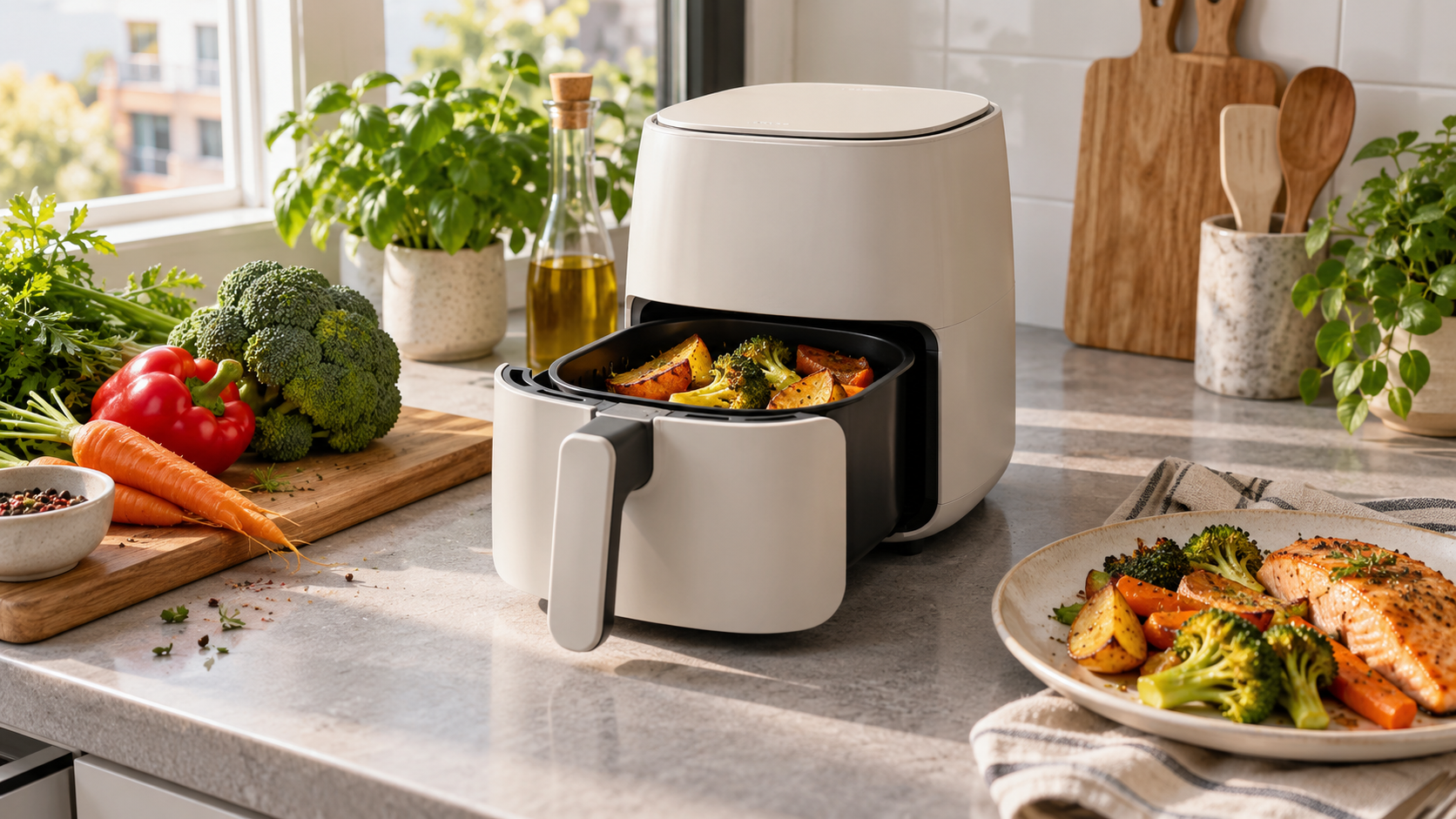
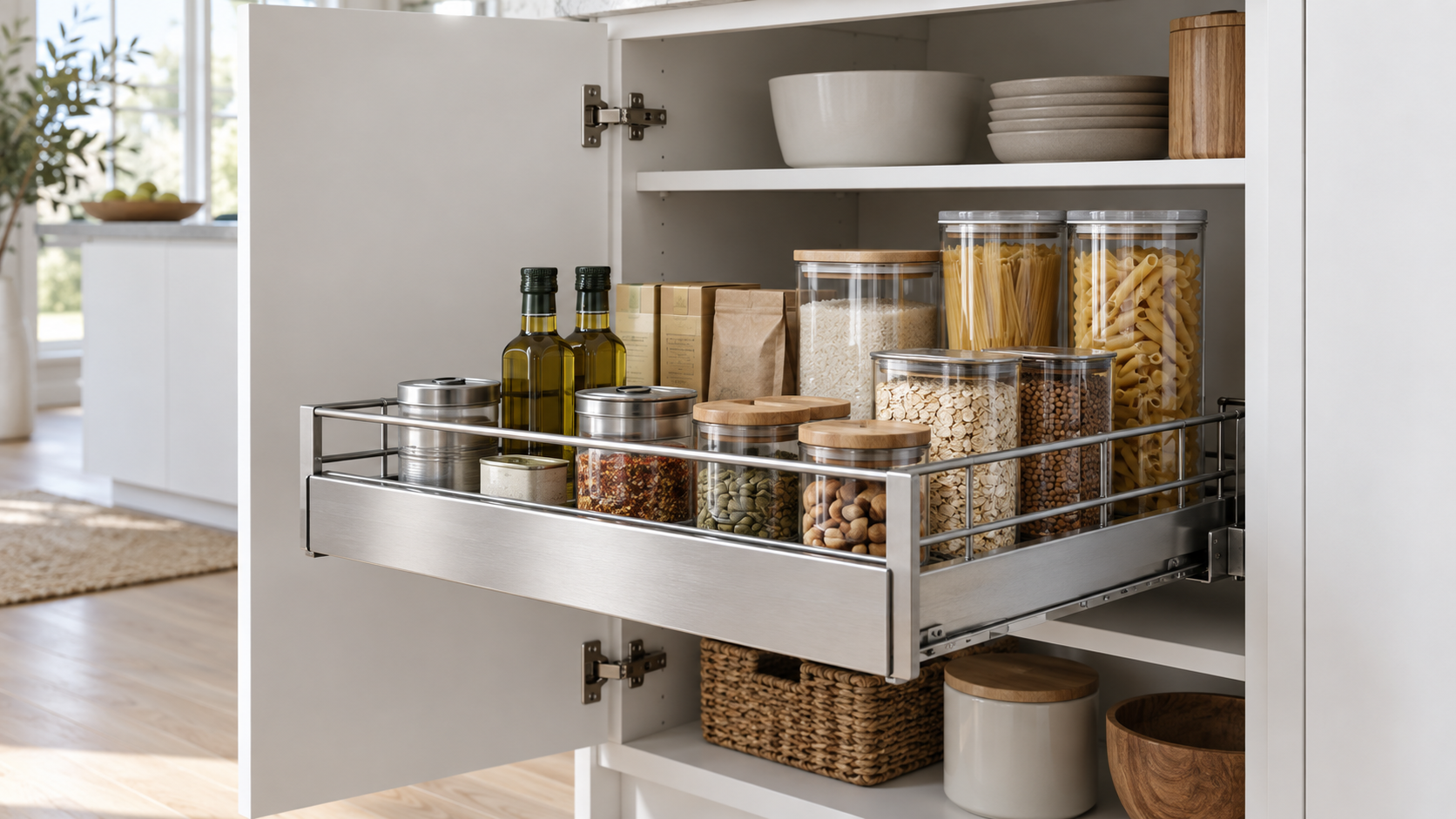
Start with the lease and outlets
Avoid drilling, vent changes, or modifications that are not permitted. Map outlet locations and do not assume a power strip solves a high-load appliance problem.
Noise and storage are shared-space issues
Grinding, blending, and high-airflow cooking are audible. Choose a place and time that work with neighbors or roommates, and measure a cabinet or rolling cart before buying.
Prefer reversible value
Countertop appliances can be moved, cleaned, and taken to a new home. Prioritize parts that wash easily, cords that store safely, and products that replace a task without requiring custom hardware.
Rental constraints are practical constraints
An apartment kitchen may have limited outlets, shared walls, strict lease rules, and little cabinet depth. Portable countertop appliances avoid permanent changes, but they still need a safe circuit and a place to cool. Measure the cart, shelf, or cabinet before bringing a new tool home.
Noise belongs in the decision
Grinding, blending, and high-airflow cooking can be heard beyond the kitchen. A quieter design, a stable surface, and a considerate schedule may matter more than a small capacity increase. Choose the tool that adds cooking capability without turning shared space into a daily disruption.
Apartment value is portable value
A rental-friendly appliance can be unplugged, cleaned, moved, and taken to the next home. That makes reversible setup, manageable noise, outlet load, and storage more important than permanent capacity. Choose the tool that adds a weekly capability without requiring a lease change or a custom installation.
Portable does not mean careless
Apartment appliances still draw current, make noise, vent heat, and need storage. Check outlets and avoid running high-load tools through an unsuitable strip. Choose removable parts, low-friction cleaning, and a safe cooling surface. A tool that moves easily between homes is valuable only when it can be used safely in the current one.
FAQ
Should apartment buyers prioritize wattage?
They should first confirm the outlet and circuit situation, then choose the motor or heater that matches the task.
How can noise be reduced?
Use a stable surface, schedule loud tasks thoughtfully, and choose a quieter design when the manufacturer documents one.
What makes an appliance rental-friendly?
No permanent installation, manageable storage, and a cleanup path that does not damage the space.
For an apartment, portability and low-friction cleanup are features. A slightly smaller tool that can move safely may beat a larger one that dominates the room.