
How to Build a Practical Kitchen Setup on a Budget
A practical kitchen setup is built in stages: solve the meals you cook now, then add tools only when a repeated problem appears.
Phase one: cover the basics
Start with a reliable prep surface, one useful pan, a cooking method you use weekly, and storage for the tools. Avoid buying a full matching set before you know which pieces leave the cabinet.
Phase two: remove a repeated bottleneck
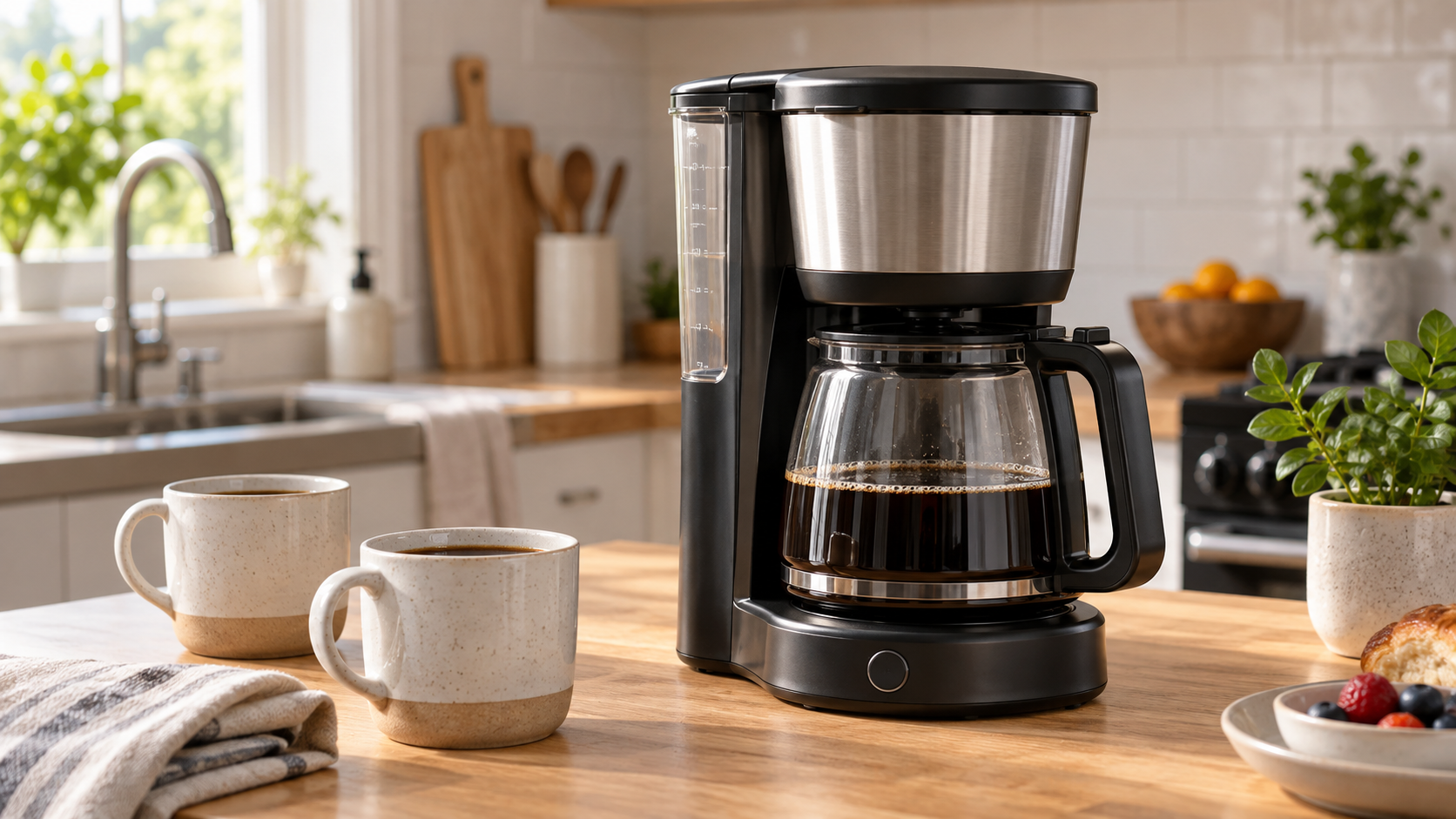
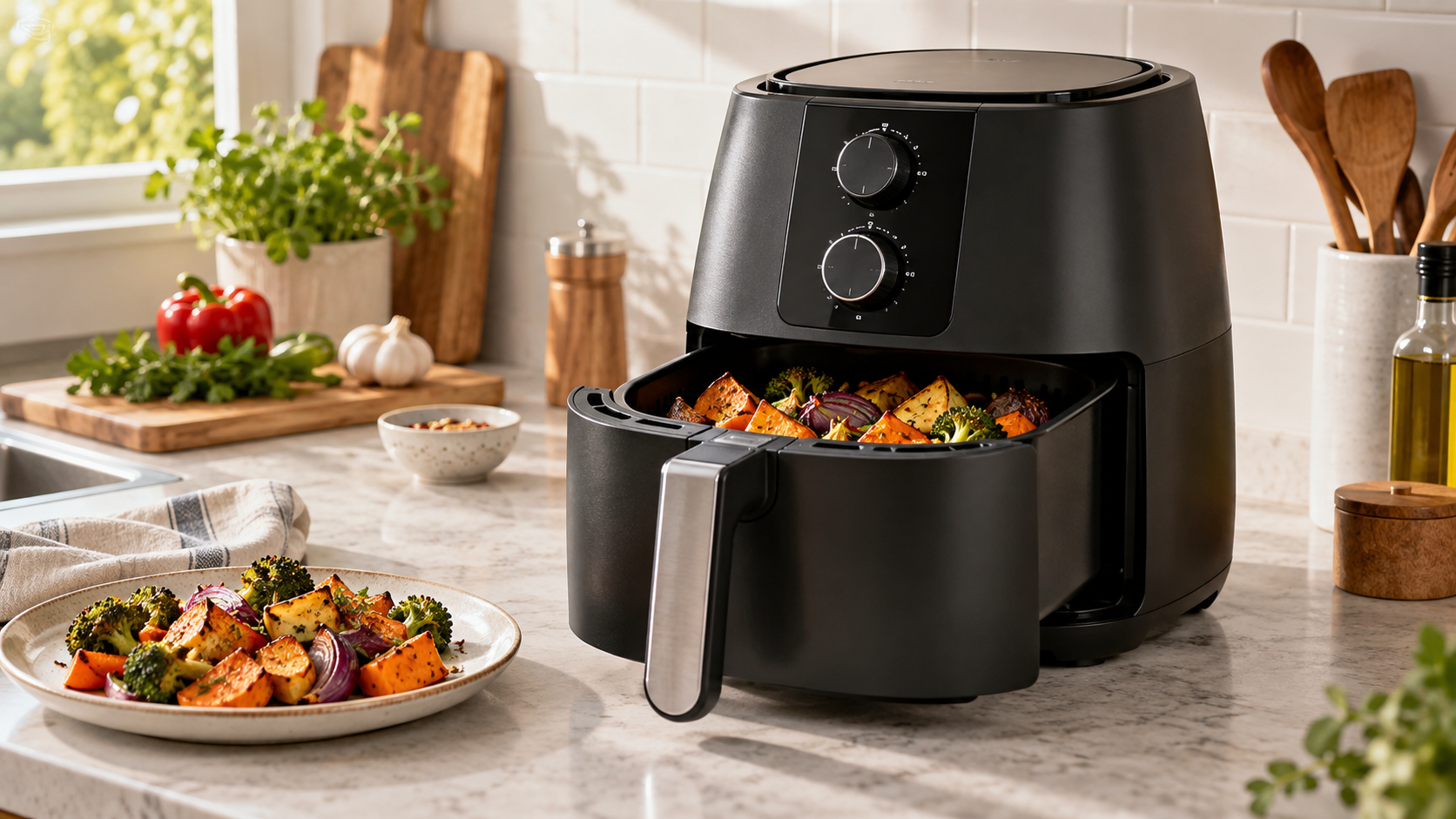
If breakfast stalls on coffee, improve the brew workflow. If weeknight vegetables take too long, consider the right countertop cooker. If sauces and smoothies repeat, decide whether a personal or full-size blender matches the batch.
Phase three: buy for replacement value
A multipurpose product is valuable when it truly replaces another task and does not add a difficult cleanup. Compare the cost of space, parts, and attention, not just the shelf price.
Build the first layer around meals
A basic setup should cover the meals you already cook: one dependable pan, a stable cutting surface, a useful knife, storage for the tools, and one cooking method that appears every week. Delay specialty appliances until the basic workflow reveals a repeated bottleneck.
Spend where replacement value is clear
A multipurpose tool saves money only when it performs the tasks well enough to replace another product. Include parts, cleaning, counter space, and likely replacement in the cost. A phased plan leaves room to learn the household’s real habits instead of buying a full set built around imagined meals.
A budget is also a space budget
The purchase price is only one part of the setup. Add replacement parts, cleaning time, counter space, and the cost of buying a second tool when the first cannot handle the job. A phased kitchen buys the most frequent solution first, tests the habit, and only then spends on capacity or specialty features.
Delay the specialty purchase until the bottleneck repeats
A budget setup becomes stronger when it responds to evidence. Buy the basic pan, board, storage, and one frequent cooking method first. Then note what slows the household down: coffee, reheating, blending, prep, or space. Add one tool that removes that repeated obstacle and make sure its parts, care, and footprint fit the existing setup.
FAQ
Should a budget setup buy the cheapest tool?
Choose the least expensive tool that satisfies the recurring task and has a workable care and replacement path.
When is a set worthwhile?
When most pieces match your actual meals and the storage plan can hold them safely.
What should be delayed?
Specialty appliances for occasional recipes until the basic workflow proves the need.
Build around frequency, not fantasy. A small set of dependable tools used often beats a crowded kitchen of rarely used gadgets.